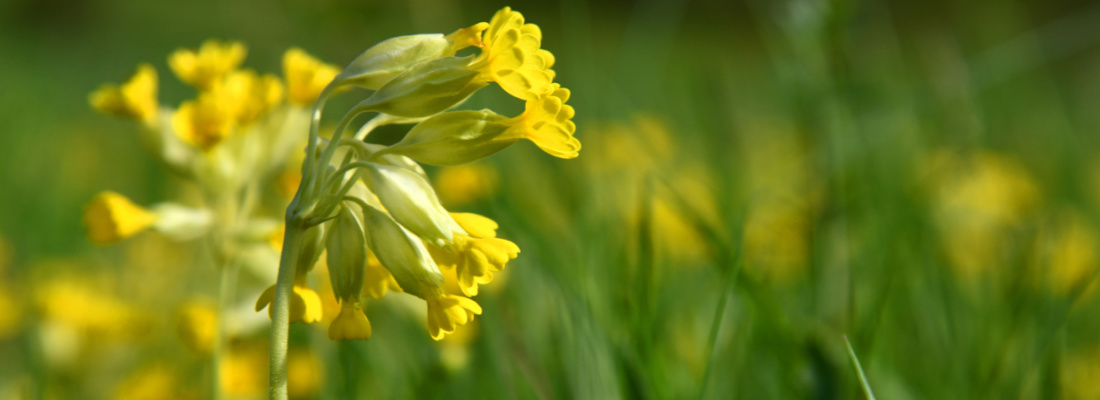
Yes, cowslips are great for bees! These perennial wildflowers bloom in early spring, offering essential nectar when other food sources are scarce. They’ll thrive in well-drained soil and partial shade, making them perfect for your garden or natural space. Varieties like Primula veris and Primula elatior attract bees with their bright yellow flowers, extending the nectar supply. Planting cowslips with companion plants such as foxgloves and teasels creates a dynamic ecosystem that supports pollinators throughout the growing season. There’s more to explore about how cowslips can enhance your garden’s biodiversity.
What Are Cowslips?
Cowslips are perennial wildflowers with bright, egg-yolk-yellow flowers that bloom in early spring. You’ll find their cheerful, cup-like blossoms impossible to miss, making them a standout addition to any innovative garden or natural space. These vibrant flowers aren’t just a visual delight; they’re also incredibly important for the ecosystem, particularly for bees and other pollinators.
In the early days of spring, when food sources are scarce, cowslips provide essential nectar. Their bright yellow blooms act as a beacon for bees, signalling an easily accessible source of nourishment. This early nectar is vital for the survival and proliferation of bee populations, which are essential for pollination and overall biodiversity.
The design of cowslip flowers makes them an ideal food source for bees. Their structure allows for straightforward access to both pollen and nectar, minimizing the energy bees expend while maximizing their intake.
Growing Cowslip

To grow cowslips successfully, you’ll need to understand their preferred conditions and planting techniques. Cowslips thrive in well-drained soil and partial shade, making woodlands and hedgerows ideal locations. You can innovate by using them to create vibrant, bee-friendly pockets in your garden or urban spaces.
Start by sowing seeds in the fall, allowing them to benefit from the cold stratification over winter, which promotes germination. Plant the seeds shallowly, about a quarter-inch deep, and keep the soil consistently moist but not waterlogged. As seedlings emerge, thin them out to avoid overcrowding, ensuring each plant has space to grow and access to light. If you’re planting mature cowslips, space them about 12 inches apart.
Incorporate cowslips into meadows to create a thriving ecosystem for bees. Their bright yellow flowers, blooming early in spring, provide bees with an essential nectar source. These flowers are also easy for bees to access, supporting pollinator populations and enhancing biodiversity. By integrating cowslips into diverse habitats, you’ll not only beautify your surroundings but also contribute to sustainable pollination efforts.
Embrace the innovation of natural solutions and watch your garden buzz with life!
Where to Buy Cowslip
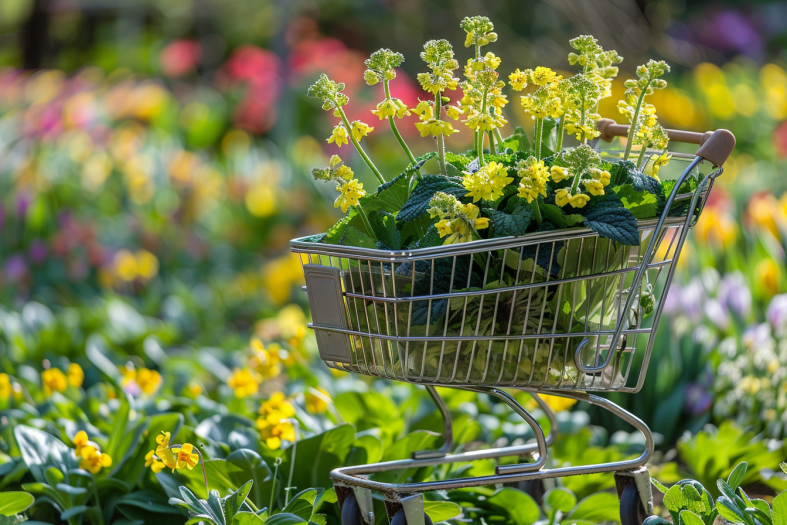
If you’re ready to add these bee-friendly cowslips to your garden, check out the selection available at Crocus.co.uk. This online nursery offers an innovative range of cowslip varieties that cater to your garden’s needs and your desire to support local bee populations. With their early spring blooms, these plants are essential for providing bees with the nectar they need just as they start emerging.
What sets Crocus.co.uk apart is their commitment to quality. Each Cowslip is carefully grown and shipped, ensuring it’s healthy and ready to thrive in your garden.
Companion Plants for Cowslips
Planting companion flowers like foxglove and teasel alongside cowslips can enhance the attractiveness of your garden to bees. These plants don’t just look stunning together; they create a dynamic ecosystem that draws in pollinators.
Foxgloves offer towering spikes of tubular flowers that bees find irresistible, while teasels provide a late-summer food source, making certain your garden supports bees throughout the growing season.
You’ll find that cowslips, with their vibrant yellow flowers, act as a welcoming landing pad for bees searching for early spring nectar. By mixing cowslips with other bee-friendly plants, you’re crafting a diverse and inviting environment that keeps pollinators coming back. They are also mixed in with Beebombs marking them out as a good bee-friendly garden choice.
Adding variety guarantees that bees have access to food sources at different times, from the first cowslip blooms in spring to the last teasel flowers in late summer.
Innovate your garden by considering the seasonal needs of bees. A blend of cowslips, foxgloves, and teasels creates a layered garden design that’s both visually appealing and ecologically beneficial.
Conclusion
So, are cowslips good for bees? Absolutely! In fact, a single cowslip flower can produce up to 200 nectar-rich blooms, making it a bee magnet.
By growing cowslips, you’re not just adding beauty to your garden; you’re also providing essential food for our buzzing friends.
Pair them with other pollinator-friendly plants from Crocus.co.uk to create a thriving, bee-friendly habitat.
Your garden will thank you, and so will the bees!
No products found.
 You can unsubscribe at any time.