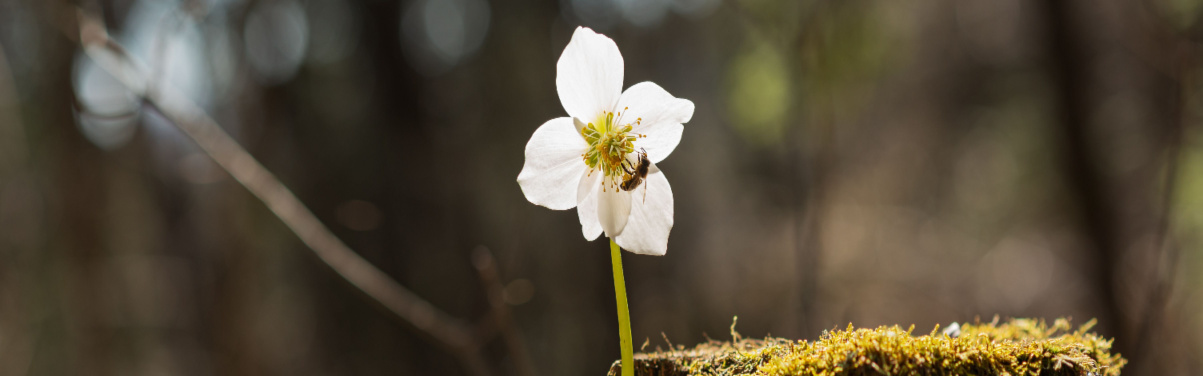
Yes, Hellebores do attract bees! These lovely plants bloom quite early in the spring, providing a tasty feast of nectar and pollen just when bees, like bumblebees, are waking up from winter. Imagine a buffet for hungry pollinators! Their rich flowers are especially appealing to queen bumblebees and mason bees, helping to support their populations. Planting Hellebores can be a great way to give bees a boost while adding beauty to your garden. Plus, you might be curious about their care and safety, so keep an eye out for more exciting information!
Are Hellebores Good For Wildlife
When it comes to supporting wildlife, hellebores stand out as a valuable addition to your garden. These beautiful plants provide a much-needed food source for bees and butterflies, especially when spring is just waking up and other flowers are still in hiding.
Imagine a hungry bumblebee buzzing around, searching for nectar. Hellebores offer rich nectar and plenty of pollen, making them a perfect pit stop for those early pollinators.
Hellebores are like a buffet for queen bumblebees, hairy-footed flower bees, and mason bees. As they bloom, they help promote biodiversity, making your garden a haven for wildlife.
Are Hellebores Poisonous
Hellebores, while stunning additions to your garden, can pose risks if ingested. You should be aware that these beautiful plants contain toxic ingredients like glycosides, saponin, and helleborine. If someone accidentally eats a large amount, they could experience symptoms like vomiting, slow heart rate, or even difficulty breathing. Yikes!
It’s not just humans who need to be cautious; hellebores can also be harmful to dogs and cats. If your furry friend thinks these plants look tasty, they might end up with diarrhoea, excessive drooling, or lethargy. To keep your pets safe, consider using physical barriers or deterrents to stop them from chewing on the leaves.
Even farm animals like horses, pigs, and goats can suffer serious health issues if they munch on hellebores. So, make sure these plants are out of reach!
When Do Hellebores Bloom

Curious about the blooming period of hellebores? You’ll be delighted to know these lovely plants start to show their colours as early as late November, Making them a great winter plant for bees.
Depending on the species or hybrid you have, you might see blooms ranging from December to April. The peak blooming time is usually from January to April, making it the perfect winter surprise for your garden.
If you’re lucky enough to have early bloomers, they’ll begin to pop up between late November and January. The popular Lenten roses, a type of hellebore, can be admired from February to April, adding cheer during those chilly months.
Just remember, the blooming duration can vary; some flowers might last for several weeks, while others can stick around for longer.
Factors like weather play a vital role, too! Cooler conditions encourage hellebores to bloom beautifully, while hot, dry summers might make them look a bit tired.
When To Plant Hellebores
If you’re looking to add hellebores to your garden, timing your planting is key. You can plant these lovely perennials at any time of the year, as long as the soil isn’t frozen.
Hellebores thrive in soil that drains well and is rich in nutrients, so make sure to prepare the ground beforehand. When you plant, sprinkle some mycorrhizal fungi and mix in a spadeful of garden compost to help your hellebores settle in nicely.
It’s important to choose a permanent spot for your hellebores since they don’t like being moved once they’re established. You’ll often find them for sale when they’re in bloom, typically from late winter to early spring, but keep an eye out for bargain finds during the off-peak seasons at garden centres.
After planting, water your hellebores well, especially in the first few weeks, to help them establish. They’ll appreciate about an inch of water each week from spring to fall.
With a little care, your hellebores will flourish, bringing beauty, bees and colour to your garden for years to come!
Do Hellebores Like Shade
Many gardeners wonder about the shade preferences of hellebores, and the good news is that these resilient perennials can thrive in a variety of light conditions.
They actually prefer partial shade, making them perfect for those shady spots in your garden. While they can tolerate nearly full sun, too much direct sunlight can scorch their leaves and make their flowers fade quickly.
In dense shade, you might notice fewer flowers, but they still grow well and can add beauty to those darker areas.
If you have east- or west-facing spots, you’ve found ideal locations for hellebores. A canopy of deciduous trees provides just the right amount of dappled shade.
Mulching helps keep the soil moist, which these plants absolutely love. Remember to water them regularly, especially in shadier spots, as they can dry out quicker than you think.
How Big Do Hellebores Grow
Hellebores typically grow to a height of 12 to 18 inches, making them a manageable addition to your garden. They’re perfect if you want a splash of colour without overwhelming your space. Most varieties match their height with a spread of about 12 to 18 inches, creating lovely clumps of greenery and blooms.
If you’re lucky enough to have species like Helleborus foetidus, you might see them reaching up to 36 inches tall, which can really make a statement!
These plants often thrive in light to moderate shade, so they’re great for those tricky spots in your yard. Plus, their compact size makes them ideal for container gardening if you’re short on ground space.
You’ll find that hybrid hellebores, like Helleborus x hybridus, typically fall within the 12 to 24 inches range, offering flexibility in your planting choices.
Whether you’re planting them in the ground or a pot, hellebores are truly versatile. Just remember, they tend to grow in clumps and can self-seed, so you might find yourself with more beautiful flowers than you initially planned for!
When To Prune Hellebore
Pruning hellebores at the right time is essential for maintaining their health and beauty. You’ll want to focus on pruning from early winter until early spring. Doing it around Christmas can help you avoid snipping off those precious blooms that are just waiting to show themselves.
The best time is late winter or early spring, right when you see new flower stalks peeking up from the centre of your plant.
When you’re ready to prune, be careful not to accidentally cut any flower buds or stems. Only remove leaves that are dead, damaged, or diseased. This helps keep your plant looking fresh and reduces the chance of disease spreading.
Plus, getting rid of old leaves reveals new flowers, making your hellebores look even more inviting.
Use hand pruners to carefully clip old foliage at the base, cutting the entire leaf stem down to the ground. And don’t forget to wear gloves to protect your skin from any sap irritation.
What To Do With Hellebores In Summer
During the summer months, it’s important to keep an eye on your hellebores as they enter a period of dormancy. These resilient plants don’t need much watering during this time, but if you experience a long dry spell, give them a little drink.
Just remember, overwatering can lead to root rot, so it’s best to use drip irrigation for gentle moisture without waterlogging the soil.
To help your hellebores stay cool and conserve moisture, consider applying organic mulch in July or August. Mulch not only keeps the roots chill but also suppresses pesky weeds that might want to invade.
While summer isn’t the time for heavy fertilizing since your hellebores are resting, you can give them a boost in spring with some compost or manure.
Just be careful not to over-fertilize, as that can harm them.
Lastly, if you’ve got baby hellebores, consider harvesting and repotting them, but save the dividing for cooler months in spring or fall.
Where To Buy Hellebores
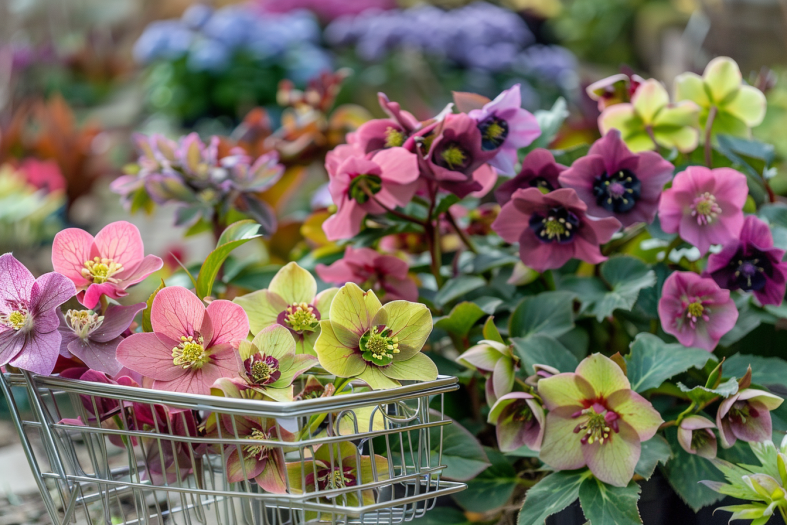
If you’re looking to add Hellebores to your garden, you have plenty of options for where to buy them. You can start by checking out online retailers like Crocus.co.uk, which offers fantastic varieties like the Frostkiss and Honeymoon series.
If you prefer to shop in person, local nurseries are a great place to find Hellebores that thrive in your specific climate. Larger garden supply stores often have them, too, so keep an eye on their flower or bulb sections.
Don’t forget about farmers’ markets, where you might discover unique, organic Hellebores from local vendors. Some botanical gardens even host plant sales or have gift shops that offer these beautiful blooms.
When purchasing, consider the hardiness zone to guarantee they’ll grow well in your area. Check the soil conditions they prefer, and always inspect the plants for signs of pests or damage.
Remember to compare prices and read reviews if you’re buying online, assuring you get healthy plants. With these tips in mind, you’re ready to find the perfect Hellebores to brighten up your garden!
What To Plant With Hellebores
Wondering what to plant alongside your beautiful Hellebores? You’ve got some exciting options, that are great for your garden and bees!
Start with deciduous shrubs like hydrangea or weigela. These can provide the perfect mix of sun and shade for your Hellebores. If you’re in a warmer area, consider planting lilac to cast some shade, helping your Hellebores thrive. Forsythia is another great choice, blooming after your Hellebores and keeping your garden vibrant throughout the seasons.
For perennials, think about phlox, which blooms later and extends your floral display. Hostas are fantastic partners, thriving in partial shade and adding lush greenery. Coral bells, with their striking foliage, fit right in, while daylilies add a colourful sequence of blooms.
If you want annuals, begonias and fuchsias shine in partial shade, blooming just after Hellebores fade. Snapdragons can also extend your blooming season, adding pops of colour.
To sum up, hellebores can be a wonderful addition to your garden, especially if you want to attract bees. Their blooms not only look beautiful but also provide food for these important pollinators. While they do have some toxic qualities, careful planting and placement can keep them safe for wildlife and pets. So, if you’re looking for a shade-loving plant that supports your local bee population, hellebores are definitely worth considering! Happy gardening!
No products found.
 You can unsubscribe at any time.