
Do you have a wildlife water source in your yard? Bees need assistance in accessing clean water for their survival. Creating a simple watering station can be an essential step in their hydration and overall well-being. By setting up a shallow dish or birdbath with clean water and providing pebbles or marbles for safe landing spots, you can help sustain local bee populations and contribute to a thriving ecosystem. Let’s explore how you can do this effectively.
Do You Have a Wildlife Water Source in Your Yard?
Take stock of your yard and consider whether it includes a reliable water source that can effectively support local bees and other pollinators.
A freshwater source can be a lifesaver for these important creatures. When setting up your wildlife water source, remember that bees often drown in deep water. Adding pebbles or floating items like corks or marbles can create a safe landing spot. This thoughtful touch can make a big difference for the bees frequenting your bee-friendly garden.
Your water source can be as simple as a shallow dish or a birdbath placed in an area with abundant flowers. By doing so, you’ll not only attract bees but also contribute to a more diverse and thriving ecosystem.
Regular maintenance of these water sources is essential to provide a consistent supply of clean water for your visiting pollinators.
Why is it Important to Provide Water for Bees?
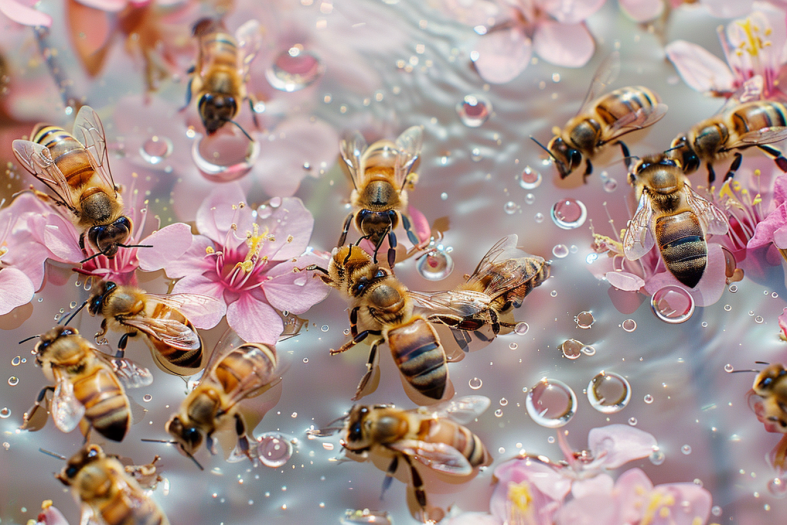
When you provide a water source for bees, you guarantee they can meet their essential hydration needs, regulate their hive temperature, and dilute their honey. These important functions are fundamental to their survival and health.
For instance, nurse bees prepare a water-rich diet of up to 80% for the larvae on their first day. Additionally, bees lacking a natural water source may seek unsafe alternatives like swimming pools, birdbaths, or ponds, which they can drown in.
By providing a safe water station, you help prevent bee population decline. The decline in bee populations is partly due to limited access to clean water. Without clean water, bees suffer from dehydration, making them more susceptible to diseases. Your simple watering station can be a lifesaver for these significant pollinators.
Bees can’t survive without water. By creating a watering station in your garden, you’re contributing to the well-being of these tiny but essential creatures.
Make sure your station is clean and accessible, and watch your bee friends thrive.
How To Make A Simple Bee Water Station For Your Garden
Create a simple bee water station in your garden by choosing a shallow dish or birdbath with clean water and adding pebbles, marbles, or corks to allow bees safe access.
Select a dish wide enough to provide a landing area, but not so deep that bees risk drowning. Fill it with water up to two-thirds of the way. The added rocks or marbles guarantee that bees have somewhere to land and can climb back out.
3 Bee Water Station Ideas
Set up a bee-friendly water source by considering some creative and easy-to-make ideas. To guarantee bees have continuous access to clean water, consider these easy and effective bee water station ideas. Each of these options is a simple yet impactful way to support your local bee population.
1 Beekeeping Water Feeder
No products found.
One practical option is the LONGINTO 2 Pieces Bee Feeder. This product is a plastic beekeeping water feeder designed to provide a safe and accessible water source for bees. The feeder features small holes to prevent drowning and allows for easy observation of water levels without disturbing the bees. It’s made from environmentally friendly PVC, assuring it’s durable and lightweight. To use, simply fill and connect it to the base, and be sure to place it on flat ground for ideal function.
For bees to effectively use the water station, the feeding bowl should be shallow and filled with rock or marble elements that provide a safe landing area. This prevents bees from drowning while drinking and assures they can access the water conveniently.
Additionally, guarantee the station is regularly cleaned to maintain a hygienic environment. Implementing these ideas will provide bees with a reliable source of clean water, enhancing their health and well-being.
2 Fill a Bird Feeder With Water
No products found.
Convert a hummingbird feeder into a bee water station by filling it with water, providing a simple and effective way to hydrate pollinators.
This creative repurposing mimics the principles of a DIY bee watering station, which aims to provide a safe source of water for bees and other beneficial insects. The hummingbird feeder’s design already includes small openings for the bees to access the water conveniently.
To enhance the functionality of this improvised station, consider adding some river rocks, marbles, or even corks to create a place for the bees to land while they drink.
Regularly clean and refill the feeder with fresh water to guarantee the bee’s hydration needs are consistently met.
3. Add Glass Pebbles or Marbles to a Shallow Container
No products found.
By incorporating glass pebbles or marbles into a shallow container, you can create a safe and inviting bee water station where pollinators can easily access water without drowning. This design guarantees bees can land securely to drink or collect water for their hive activities without the risk of drowning. You can use a shallow dish or birdbath filled with water and add a layer of these materials to create the safe zone.
Glass pebbles or marbles provide an ideal landing spot for bees to reach the water safely. This setup mimics the natural shallow water sources bees prefer, making it more attractive to them. Confirm the container is regularly cleaned and refilled to maintain a healthy environment for the bees. By doing so, you’ll be offering crucial support to these essential pollinators.
In addition to providing a safe access point, these materials also help prevent the water from becoming stagnant. This setup complements natural ecosystems by supporting bees and other pollinators, fostering their presence in gardens and enhancing the local biodiversity.
Placing and Cleaning the Station

Positioning your bee watering station strategically near flowering plants with sufficient sunlight guarantees maximum visibility and appeal to your pollinator visitors. Make sure this spot is sheltered from strong winds to prevent water from splashing out and provide a safe landing area for bees.
Regularly check the water levels, especially during hot weather, and refill as necessary to prevent dehydration.
Cleaning the station is vital to maintaining a hygienic environment for visiting bees. Remove any debris, algae, or unwanted insects weekly. This will make certain the water remains clean and free of contaminants that might harm the bees.
Also, monitor the materials used in the station, replace them as needed to maintain safety and accessibility for bees.
Attracting Bees to Your Station
Keep your bee watering station consistently filled and clean to attract bees who rely on it for survival. Bees take time to discover new water sources, so patience is key. To guarantee they keep coming back, you’ll need to keep the station near flowering plants. This proximity increases the likelihood of attracting bees greatly, as they’re drawn to nectar sources.
Add a touch of visual appeal by using colourful materials like marbles or pebbles. These will make your station more noticeable to the bees.
Over time, your bee watering station will become a reliable source for these essential pollinators. As they come to trust your station, you’ll see more frequent visits and play a major role in their survival.
Monitor and Refill as Needed

As you maintain your bee watering station, check the water levels every day, especially in hot weather, to confirm bees have consistent access to hydration. Bees rely on water for drinking, regulating hive temperature, and diluting honey, so it’s essential to make sure the station remains filled and clean.
Beyond daily checks, replace the water at least once a week to prevent mosquito breeding and algae growth, which can harm pollinators.
Also, clean the dish or container regularly to eliminate debris and contaminants that might compromise the water quality and the health of your bees. As environmental conditions change, such as in the event of rainfall or temperature shifts, be prepared to adjust the frequency of refills.
Conclusion
You’ve made it through creating a simple bee watering station. This small step can greatly improve the lives of these essential pollinators.
Make certain to keep the water clean and fresh, and don’t forget to add pebbles or marbles for bees to land on safely.
With regular maintenance, you’ll be helping to guarantee the local bees have a reliable source of water.
Keep up the good work, and remember, every small contribution to bee health makes a big difference.
 You can unsubscribe at any time.